Balanced eating has been made to sound far more complicated than it needs to be. You do not need an app, a scale or a degree in biochemistry — you need a way of looking at a plate that works for most meals, most days.
A simple way to look at a plate
Instead of counting anything, try picturing your plate in rough thirds. Vegetables and fruit take up the largest share. Whole grains or other slow-release carbohydrates take another. Protein fills the rest, with a little healthy fat alongside. It is a shape, not a rule — and it works for curries, stir-fries, roasts and bowls alike.
You will notice this approach says nothing about banning foods. That is deliberate. Restrictive eating tends to lead to cycles of craving, guilt and giving up, while a flexible pattern is something you can keep for years.
Protein deserves a place
Protein helps you feel satisfied for longer and supports muscle, which matters at every age but especially as we get older. Many people eat most of their protein in the evening, then wonder why they are hungry all afternoon.
- Eggs, yoghurt, milk or beans at breakfast, not just toast or cereal.
- Lentils, chickpeas, beans, tofu or fish at lunch.
- A palm-sized portion of protein at your main meal.
- Nuts or seeds as a snack instead of something purely sweet.
Colour and fibre
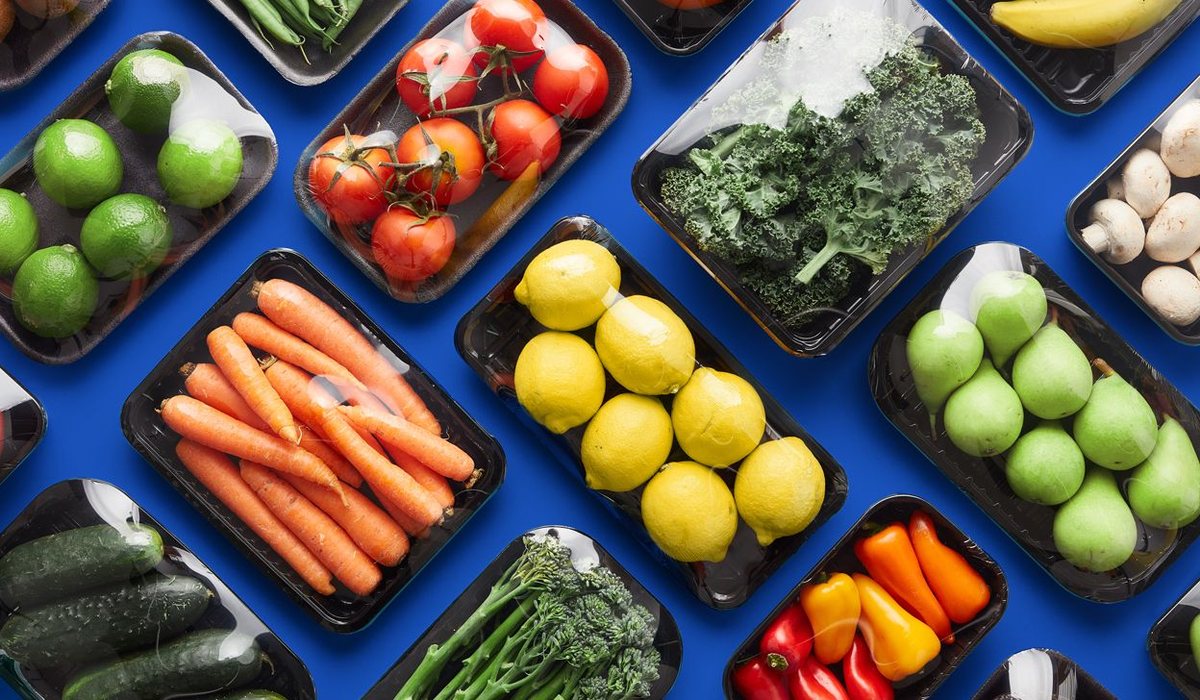
Colour is a shortcut for variety. Different coloured vegetables and fruits carry different nutrients, so a mixed plate does more for you than a large portion of one thing. Fibre — found in vegetables, fruit, beans, lentils and whole grains — supports digestion, blood sugar steadiness and cholesterol.
An easy target: aim to add one extra portion of vegetables to a meal you already eat. Soup? Add greens. Pasta sauce? Add grated carrot or courgette. Sandwich? Add salad. Small additions beat total overhauls.
Increase fibre gradually rather than all at once, and drink enough fluid alongside it. Doing too much too quickly is the usual reason people feel bloated and give up.
Carbohydrates are not the enemy
Carbohydrates are your body's preferred quick energy source, and they are not inherently fattening — portion size and what you pair them with matter far more than the category itself. Where you can, choose the less refined versions: wholemeal bread, oats, brown rice, wholewheat pasta, potatoes with skins.
Since these release energy more slowly, they usually keep hunger steadier than white, quickly digested options. You do not need to avoid the white versions entirely, just let the slower ones be the everyday default.
Real life is not a formula
Some days will involve birthday cake, takeaways and meals eaten in the car. That is normal and it does not undo your progress. What matters is what happens across a typical week, not in any single hour.
- Plan a handful of easy meals for the week rather than all of them.
- Keep a few quick options in the cupboard for exhausting days.
- Eat slowly enough to notice fullness — this alone changes portion sizes for many people.
- Skip the guilt. Guilt rarely improves the next meal.
If eating has become stressful, or you find yourself swinging between strict rules and losing control, that is a signal to get support rather than push harder on your own.
When to ask for help
General guidance is a starting point, not a personal prescription. Your needs shift if you are pregnant, managing diabetes or high cholesterol, recovering from illness or injury, feeding a family with very different tastes, or dealing with a digestive condition.
That is where working with a nutrition professional changes things — you get a plan built around your body, your culture and your actual week. Talk to our nutrition team about a personalised approach, or read our wellness and nutrition service page to see what a programme involves.
Please remember
This article offers general wellness information and is not a substitute for personalised medical advice. If you have a health concern, speak with a qualified clinician — our team is always happy to help.
Talk to Our Team